
Rigid Flex Circuits Simplify Complex
A multilayer rigid flex circuit is a type of printed circuit board (PCB) with several double-sided conductive layers separated by an equal number of bonding sheets, known as prepreg. This PCB is a popular choice for complex electronic devices, such as laptops, tablets, GPS trackers, smartphones, and industrial equipment. Rigid flex circuits are used in these applications to achieve more routing density and better connection reliability. They are also less costly than traditional wire and cable assemblies.
Rigid flex PCBs are designed to fold and twist along multiple axes, offering greater flexibility than conventional rigid or flexible PCBs. This makes them ideal for compact packaging, allowing products to be folded and twisted without losing functionality or impacting the device’s weight or dimensions. Rigid flex circuits also feature thin copper layers, helping them to be lightweight and cost-effective.
Combination rigid flex circuits are a great solution for connecting multiple rigid PCBs together in a single part. They eliminate the need for additional connectors and cables to link the boards, reducing assembly time and lowering the bill of materials. In addition, combination rigid flex circuits offer increased design flexibility, making it easier to adapt a product to changing conditions.
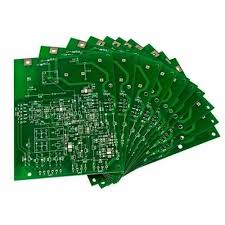
Rigid Flex Circuits Simplify Complex Circuit Designs
In high-density applications, space is often at a premium, and replacing multiple rigid boards with one combination rigid flex circuit reduces assembly time and costs while increasing spatial efficiency. This is especially important in mobile and handheld electronics, where space is limited and connectivity is crucial. Rigid flex circuits can also be used to provide a more robust connection between rigid boards and increase their durability against shock and vibration, which is critical in industrial applications.
Rigid-flex circuits require careful design to balance flexibility and rigidity. Layer transitions must be properly positioned to prevent signal degradation due to mechanical stress, and a layered design must consider bending zones and appropriate bend radius to avoid fatigue and failure. Additionally, a proper thermal management design must be implemented with thermal vias and heat sinks to dissipate heat effectively throughout the rigid-flex assembly.
Whether you’re designing your own multilayer rigid-flex PCB or using a ready-to-use premade design, the best way to ensure manufacturability is by working with an experienced PCB manufacturer. They can help you select the right materials for your project and ensure that it’s designed for manufacturability, reducing the risk of unplanned costs and delays.
Rigid flex PCBs can be used in a wide variety of applications, including industrial machinery, networking and data centers, and even medical devices. However, it’s crucial to work with a qualified designer to make sure that your multilayer rigid-flex design is able to meet your specific application needs. Contact a trusted PCB manufacturing company today to learn more about how they can assist you with your next project.

+ There are no comments
Add yours