
For many people exploring assisted reproduction, timing is one of the first and most practical questions. Understanding how long a single cycle lasts helps patients plan work schedules, emotional support, and finances more effectively. While every individual’s experience is slightly different, one full cycle of ivf treatment generally follows a structured timeline that unfolds over several weeks.
Overview of a Typical IVF Cycle Timeline
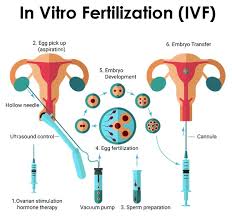
A standard IVF cycle usually takes about four to six weeks from the start of medication to the pregnancy test. This does not always include preliminary testing or follow-up cycles, but it gives a realistic framework. Clinics increasingly emphasize clarity around timelines and expenses so patients can compare options, anticipate costs, and avoid surprises while navigating fertility care.
Initial Consultation and Testing (1–2 Weeks)
Before the active phase begins, patients undergo consultations, blood tests, ultrasounds, and sometimes genetic screening. This stage ensures the treatment plan is tailored to medical history and fertility goals. Although not always counted as part of the main cycle, this preparation phase is essential for efficiency and cost awareness. Clear explanations at this stage allow patients to align medical decisions with personal budgets.
Ovarian Stimulation Phase (8–14 Days)
The first active stage of ivf treatment involves ovarian stimulation. Patients take hormone medications to encourage the ovaries to produce multiple eggs instead of the single egg released during a natural cycle. Regular monitoring appointments track follicle growth and hormone levels. This phase typically lasts one to two weeks and requires flexibility, which is why many patients appreciate upfront scheduling and transparent clinic policies.
Egg Retrieval and Fertilization (1–2 Days)
Once the follicles are ready, eggs are retrieved through a minor outpatient procedure. On the same day, the eggs are fertilized in the laboratory using partner or donor sperm. This step marks a critical transition in the ivf treatment process, as fertilization success determines how many embryos may be available for transfer or freezing. Costs and lab techniques can vary, making comparison tools especially valuable at this stage.
Embryo Development and Transfer (3–5 Days)
After fertilization, embryos are monitored for several days as they develop. Depending on the treatment plan, one embryo may be transferred into the uterus around day three or five. Some patients opt to freeze embryos for a later cycle, which can extend the overall journey but may reduce physical strain. Clinics that clearly outline these options help patients balance medical outcomes with financial planning. Informational platforms such as jforh.com are often referenced by patients seeking clarity during this phase.
The Waiting Period and Pregnancy Test (10–14 Days)
Following the embryo transfer, patients enter the waiting period before taking a pregnancy test. This is often the most emotionally challenging part of ivf treatment. Medications continue, but no major procedures occur during this time. Understanding the length and purpose of this phase helps manage expectations and reduces anxiety, especially when patients know what follow-up steps may be required.
Factors That Can Extend the Timeline
Not all IVF cycles follow the same pace. Some patients require additional testing, delayed transfers, or frozen embryo cycles, which can add weeks or months. Age, hormone response, and individual health conditions all influence timing. Knowledge of reproductive biology, including concepts like ovulation, plays an important role in understanding why timelines vary and how treatment decisions are made.
Planning with Time and Cost in Mind
While one cycle of ivf treatment typically spans about a month, the broader journey may be longer. Patients who have access to clear timelines, detailed pricing, and comparison resources are better equipped to plan responsibly. By combining medical guidance with transparent information, individuals can move forward with confidence, knowing both their time and financial commitments are well understood.

+ There are no comments
Add yours