
printed circuit boards manufacturers adapting to 5G technology
The rapid expansion of 5G technology is driving significant changes in various industries, and printed circuit boards (PCBs) are no exception. As 5G networks promise faster data speeds, lower latency, and greater connectivity, printed circuit boards manufacturers are adapting their processes and designs to meet the unique demands of this next-generation technology. The increased performance and reliability required for 5G communications are placing new challenges on PCB manufacturers, but they are responding by evolving their materials, design techniques, and manufacturing processes.
One of the primary ways printed circuit boards manufacturers are adapting to 5G technology is by focusing on high-frequency materials. 5G operates at higher frequencies than previous cellular networks, with some bands extending into millimeter-wave frequencies. This presents challenges for PCB designs, as high-frequency signals are more prone to signal degradation, interference, and loss. As a result, manufacturers are turning to specialized materials such as PTFE (polytetrafluoroethylene) and other low-loss substrates, which are better suited for high-frequency applications. These materials help ensure that the PCB can handle the high-speed signals required by 5G devices and infrastructure, maintaining signal integrity and minimizing loss.
In addition to using advanced materials, printed circuit boards manufacturers are also adjusting their design techniques to accommodate the complexity of 5G systems. 5G technology requires more complex and densely packed circuitry, with higher component density and more intricate routing. PCB designs for 5G applications often include additional layers and smaller traces, which demand more precise manufacturing processes. To meet these demands, manufacturers are adopting more advanced design tools, including computer-aided design (CAD) software and simulation tools that can optimize layout for high-speed performance. The designs must also account for the potential for heat generation, as 5G systems often operate at higher power levels, making thermal management an important consideration in PCB design.
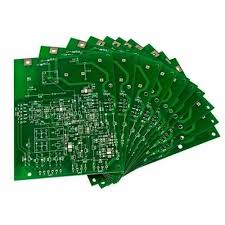
Are printed circuit boards manufacturers adapting to 5G technology?
Another aspect of adaptation for printed circuit boards manufacturers is the incorporation of advanced assembly techniques. With the increasing demand for miniaturization in 5G devices, PCBs need to be smaller, lighter, and more compact while still maintaining functionality. Manufacturers are incorporating techniques such as surface-mount technology (SMT) and fine-pitch assembly to accommodate the smaller components required for 5G devices. These techniques allow for more efficient use of space, ensuring that the PCBs can support the complex circuitry needed for 5G while meeting the size constraints of modern smartphones, IoT devices, and other wireless technology.
The challenges associated with high-speed and high-frequency signals are also pushing printed circuit boards manufacturers to invest in better testing and quality control procedures. As 5G networks require faster and more reliable communication, ensuring the integrity and performance of each PCB becomes critical. Manufacturers are implementing more stringent testing protocols, including high-frequency signal testing and automated optical inspection (AOI), to identify and address potential issues before the boards are shipped. This helps minimize the risk of failures in 5G applications and ensures that the PCBs can meet the rigorous standards required for 5G technology.
Furthermore, printed circuit boards manufacturers are collaborating more closely with companies in the telecommunications and semiconductor industries to better understand the specific needs of 5G technology. This collaboration ensures that manufacturers stay ahead of trends and can meet the evolving requirements for 5G components. By staying informed about the latest developments in 5G technology, PCB manufacturers can adapt their designs and manufacturing processes to keep pace with the rapid growth of 5G networks.

+ There are no comments
Add yours