
Rapid Radios
Two-way radios enable fast, reliable communication that boosts productivity and improves safety. However, many radios require a license to operate on specific frequencies. This helps prevent interference between different users. For example, MURS radios are licensed to a specific geographic area. Without a license, they experience limited privacy and frequent interference. The FCC has a number of rules that govern how two-way radios can be used. By understanding these regulations and adhering to them, businesses can minimize interference with their neighbors and ensure the integrity of their communications systems.
These regulations include requirements such as labeling of transmitters, the use of accredited testing laboratories to perform certifications and the requirement that a certificate of compliance be issued for each device. The FCC also establishes maximum power levels that cannot be exceeded. By following these guidelines, businesses can avoid penalties and ensure effective communication with their staff and customers. EMCI Wireless can help businesses obtain or renew their FCC licenses, ensuring compliance and uninterrupted communication. Contact us today to find out how we can streamline the process and optimize your communication system. RF Safety FAQs:
The FCC has a lot of forms, but all license applications start with Form 605. It’s on the FCC’s website and you can fill it out online. You’ll also need to pay the appropriate fees. The fee for a commercial rapid radios operator license is $50 per year. There are other fees for equipment and services like ELTs, but this is the basic cost. It’s worth getting a commercial operator license for your aviation career. For business users, the 900 MHz band is a great option. It’s a license-free business band and has good range but it’s not as clear as the licensed bands. The downside is that mountains can block the signal and buildings can absorb it. The other downside is that natural disasters can take out the towers and make communication impossible.
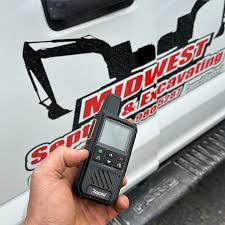
Do Rapid Radios Need a License?
FCC licensing ensures that your communication systems are operating on frequencies that are available and do not interfere with other users. This helps to prevent expensive penalties and costly cease-and-desist orders, both of which could disrupt business operations for your company. The FCC requires detailed information about your business, including your legal name, address and federal tax ID number (if applicable). It also needs to know how many radios you’re going to use, their power output and where they will operate. Your dealer works with official coordinators who will submit this information to the FCC on your behalf.
Fees for obtaining an FCC license vary by frequency, region and the number of radios you’re using. But they typically total only a few hundred dollars—less than the cost of a single two-way radio. Your dealer will provide a complete breakdown of fees. This includes fees that go to the FCC, your coordinator and your dealer. Your coordinator will program your radios to listen for available frequencies before sending them to the FCC.
There are fees associated with FCC licensing. These fees are meant to help the FCC coordinate radio channels to keep private users from unintentionally interfering with public safety devices and to protect the radio frequencies that are critical to businesses’ on site operations.
FCC licensing fees also cover the costs of administering the license application process. Some applications are relatively simple, but others are quite complicated and involve several long forms. Many radio dealers and frequency coordinators offer to complete all of the required paperwork and fee payments for their customers. This is a valuable service to offer as it helps ensure that the customer’s information and radio system will be coordinated properly. Depending on the type of radio you purchase, there are other fees that may apply as well. GMRS licenses, for example, cost more than free-use radios because they are designed to use more power and provide more security features than FRS channels.

+ There are no comments
Add yours