
Practice Piano Transcription
Whether it’s learning a new song, or perfecting a piece that’s been in your repertoire for a long time, transcription is a great way to challenge yourself on the piano. It can help improve your skills in many different areas of musicianship, such as rhythm, technique, harmony, and phrasing. Plus, it’s super fun! Master musicians across countless genres didn’t just sit down with a sheet of music and figure out how to play their songs; they learned them by listening, transcribing, and practicing.
Transcribing is the process of learning a song or piece of music by listening and writing it down on staff paper (or using transcription software). It involves analyzing the chords, melody, and tempo to determine what notes to play and where. It is also a great way to practice your ear training.
A good place to start is with a simple song that you’re familiar with. This will give you a feel for the music and the tempo, and will allow you to focus on one section at a time. When you’re ready to move on, try tackling something a bit more difficult. You can even transcribe a whole song if you’re feeling ambitious. Just remember that it’s important to take your time and do it well. Don’t try to cram too much in at once!
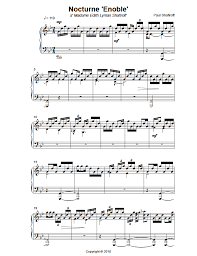
How Can I Practice Piano Transcription at Home?
Another essential part of transcription is knowing your scales. Scales are a fundamental building block of music and you can find them in songs from all genres. To get started, try finding middle C. It’s a white key in the center of the keyboard that you can touch with all four fingers. Practice playing the scale, first with one hand, then with both hands. It’s best to practice with a metronome, so you can slowly ramp up your speed and make sure you’re playing in time.
If you’re unsure of how to read a chord or a rhythm, try singing it in your head while listening to it. This will help you visualize the notes in the chord and give you an idea of what it might sound like on the piano. It can be helpful to sing the individual notes of the chord as well, especially if they’re in a tricky key or are very dissonant.
You can also use your iPhone to transcribe music, and there are several apps that will allow you to do this. Some of these are free and some are paid, but they can be a great resource for learning to transcribe. Some of these apps are MuseScore, NoteDeck, and ChordPro. MuseScore is a good choice because it lets you slow down recordings, loop sections, and notate the music as you listen. It also has a feature that shows you EXACTLY what is on the piano keyboard, which can be extremely helpful. NoteDeck is a great app as well, and it has a built-in metronome that is really handy for transcribing.


+ There are no comments
Add yours