
dimensional stability in printed circuit board manufacturerss
Dimensional stability is a critical factor in the production of printed circuit boards (PCBs), as it directly impacts the performance, reliability, and longevity of electronic devices. Ensuring that PCBs maintain their intended dimensions and structural integrity throughout the manufacturing process is essential for meeting design specifications and achieving optimal functionality. Several key factors and techniques contribute to ensuring dimensional stability in printed circuit board manufacturing.
Material Selection: The choice of substrate material is fundamental to achieving dimensional stability in printed circuit board manufacturers. Different materials exhibit varying degrees of thermal expansion, moisture absorption, and mechanical properties, which can affect dimensional stability. High-quality substrates with low coefficients of thermal expansion (CTE), such as FR-4 epoxy laminates or polyimide films, are commonly used to minimize dimensional variations over temperature and humidity changes.
Process Control: Strict process control measures are essential for maintaining dimensional stability during PCB fabrication. Temperature and humidity control in manufacturing facilities help minimize environmental fluctuations that can affect material properties and board dimensions. Additionally, adherence to precise manufacturing parameters, such as etching, drilling, and lamination conditions, ensures consistent board geometry and dimensional accuracy.
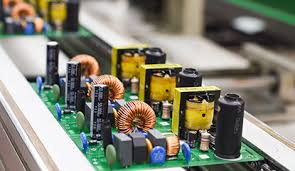
How do you ensure dimensional stability in printed circuit board manufacturerss?
Design Considerations: Thoughtful PCB design plays a crucial role in ensuring dimensional stability throughout the manufacturing process. Designers must consider factors such as trace routing, component placement, and board layout to minimize stress concentrations and avoid warpage or deformation during fabrication. Using symmetrical layouts, balanced copper distribution, and controlled layer stacking can help mitigate dimensional variations and ensure uniformity across the PCB.
Thermal Management: Effective thermal management strategies are essential for preventing dimensional instability caused by temperature gradients and thermal stresses. Techniques such as copper balancing, thermal vias, and heat sinks help dissipate heat evenly across the PCB, reducing the risk of localized expansion or contraction that can distort board dimensions. Additionally, thermal simulations and testing during the design phase help identify potential hotspots and optimize thermal performance.
Curing and Lamination: Proper curing and lamination processes are critical for achieving dimensional stability in multilayer PCBs. Controlled pressure and temperature conditions during lamination ensure proper bonding between layers and minimize residual stress in the finished board. Post-curing processes may also be employed to further enhance material properties and dimensional stability, particularly in high-performance applications.
Testing and Inspection: Rigorous testing and inspection protocols are employed throughout the manufacturing process to verify dimensional accuracy and quality compliance. Dimensional metrology tools, such as coordinate measuring machines (CMMs) and optical inspection systems, are used to measure critical dimensions and detect any deviations from design specifications. In-process inspections and post-fabrication testing help identify and address dimensional issues early in the production cycle, ensuring consistent quality and reliability.
Environmental Control: Environmental factors such as moisture absorption and exposure to harsh chemicals can compromise dimensional stability in printed circuit boards. Proper handling, storage, and packaging procedures are implemented to minimize environmental impact during transportation and assembly. Vacuum-sealed packaging, desiccant materials, and controlled humidity environments help protect PCBs from moisture ingress and ensure long-term dimensional stability.

+ There are no comments
Add yours