
significance of surface finish in PCB rigid flex
Rigid flex offers an excellent solution for high-reliability applications where space is a challenge. It allows designers to streamline the circuit design by eliminating the need for flexible cables, connectors and discrete wiring. In addition, flex circuits can be bent, twisted and formed to minimize package size and weight. This makes rigid flex ideal for military/defense, automotive, aerospace and wearable electronics.
However, the benefits of pcb rigid flex don’t come without cost. This type of board can be more expensive to produce than a standard rigid or flexible printed circuit board due to the complex materials and manufacturing processes used. This added expense can make a rigid flex unsuitable for certain projects, particularly when the budget is a key consideration.
To mitigate these costs, PCB manufacturers often use a variety of surface finishes to reduce the total cost of the production process. But not all finishes are equal, and selecting the right one is critical to your design’s long-term success.
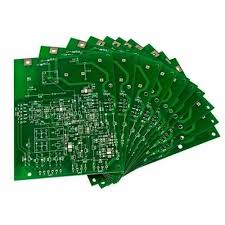
What is the significance of surface finish in PCB rigid flex?
The right finish prolongs your PCB’s lifespan by reducing the risk of failure from environmental factors and physical abuse. It helps your circuit boards resist corrosion, stains, water damage, and even insect infestation. It also enables the board to resist temperature fluctuations, mechanical stress, and bending, which could otherwise lead to failure and delamination.
There are several different types of surface finishes available for your PCB, ranging from HASL to OSP. HASL is the most common finish for PCBs, which involves immersing the circuit boards in a molten alloy of Tin and Lead (solder). Then they are air knifed to remove the excess solder. However, HASL is not a RoHS-compliant option. Instead, you can opt for OSP, which is a low-melting point coating that does not contain Lead and meets RoHS specifications.
OSP is a durable finish that protects the copper layer from oxidation and improves solderability. It is also inexpensive and easy to use. On the downside, OSP can have a rough appearance and requires additional processing to achieve a smooth surface. You may also need to apply a separate protective layer to the circuit board if you choose this option.
When choosing the right surface finish for your rigid flex, consider its durability, etch resistance, and corrosion protection requirements. Additionally, look into how your design will integrate into the production panel. This will help you maximize material utilization and reduce waste.
Another important aspect to consider is the thickness of the surface finish. Thicker coatings offer better chemical and physical protection, but they also increase the overall production cost. On the other hand, thinner coatings are less durable, but they are also more affordable.
Achieving the perfect flex circuit design can be challenging, but it doesn’t have to be with the right tools. Altium Designer, a unified design platform, provides all the tools you need to create rigid-flex and flex circuit boards from start to finish. To get started, download a free trial of Altium Designer today!

+ There are no comments
Add yours